

Unveiling the psychology behind casino gambling
 Wykop.pl
The Allure of Chance and Risk
The essence of casino gambling often lies in the allure of chance and the thrill of taking risks. When individuals step into a casino, they are greeted with an atmosphere charged with excitement. This heightened emotional state triggers the release of dopamine in the brain, a neurotransmitter associated with pleasure and reward. The uncertainty of not knowing whether one will win or lose creates a sort of psychological turmoil that can be thrilling, as it plays into the instinctual appeal of taking risks. Many players also engage in online gaming options, particularly australian online casino payid , which offer similar unpredictability and excitement, providing a sense of adventure that is hard to replicate in everyday life.
Moreover, many gamblers are drawn to the idea of luck, often believing that they possess a unique ability to influence outcomes in their favor. This belief, whether grounded in reality or not, enhances the gambling experience and encourages continued play. The concept of “hot” and “cold” streaks reinforces this notion, as players may feel more compelled to engage when they believe they are on the verge of a winning streak, further entrenching them in the gaming experience. This psychological phenomenon can lead to a cycle where players chase their perceived luck, often increasing their bets in hopes of capturing another win.
Additionally, the design of casinos amplifies this allure, employing bright lights, sounds, and innovative layouts that draw people into their trap. The sensory overload makes it difficult for gamblers to focus on anything beyond the immediate game, creating a disorienting yet exhilarating environment. This manipulation of the senses is a psychological strategy that casinos leverage to ensure that participants remain engaged, often leading them to gamble more than initially intended. The ambiance is meticulously crafted to prolong the gaming experience, reinforcing the idea that the next game could be the one that changes everything.
The Role of Psychology in Decision-Making
Decision-making processes in gambling are deeply influenced by cognitive biases and the psychology of human behavior. Gamblers often fall prey to the „gambler’s fallacy,” where they believe that past events can influence future outcomes. For example, a player might think that if a roulette wheel has not landed on a red number in several spins, it’s due to land on red soon. This faulty reasoning can lead to increased betting, even when statistically the odds remain unaffected. Such misconceptions can distort a player’s perception of reality, making them more susceptible to risky behaviors as they chase elusive wins.
Furthermore, the concept of loss aversion plays a significant role in how gamblers behave. Research suggests that individuals tend to prefer avoiding losses rather than acquiring equivalent gains. This means that when a player loses money, the distress experienced often overshadows the satisfaction from a win, making them more likely to continue gambling in an effort to recoup their losses, leading to a potentially dangerous cycle of behavior. This psychological aspect illustrates why many find it hard to walk away from the gaming table, even when it is in their best interest to do so.
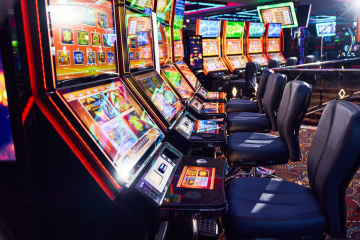
The illusion of control is another psychological factor that comes into play. Gamblers often believe they can influence the outcome of games of chance through skill or strategy, despite the fact that most casino games are governed by chance. This illusion can drive individuals to make irrational decisions, such as increasing bets or making riskier choices, under the impression that they are somehow in control of the game’s outcome. This belief can lead to a false sense of security, encouraging players to invest more time and money in hopes of achieving a breakthrough.
The Impact of Social Factors
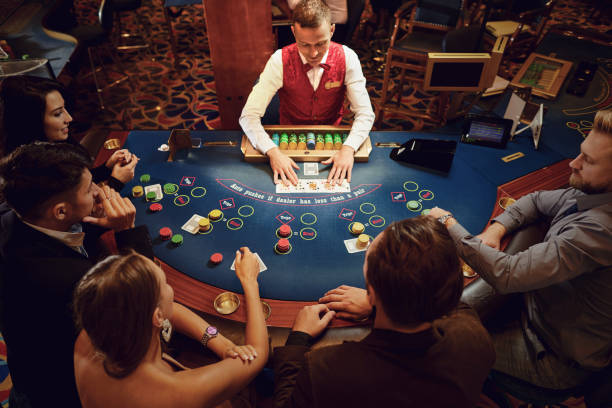
Social dynamics greatly influence gambling behavior, making it a communal activity for many. The presence of other players can enhance the excitement and enjoyment of gaming, leading to what is known as social reinforcement. This phenomenon occurs when individuals witness others winning, sparking feelings of competitiveness and the desire to partake in the experience. Such communal settings can create an environment where players feel more inclined to take risks, as the collective energy can amplify individual enthusiasm and lead to higher stakes being played.
Peer pressure and social validation can also affect gambling habits. Individuals may engage in gambling to fit in with friends or family, seeing it as a shared activity. This behavior can escalate, especially in environments like casinos where winning is celebrated and losses are often downplayed. When surrounded by fellow gamblers who support continued play, individuals may rationalize their decisions, reinforcing their commitment to gambling, even if it leads to negative consequences. The social context can blur the lines between enjoyment and obligation, making it challenging to recognize the need for moderation.
Moreover, the development of online gambling platforms has transformed the social aspects of gambling. Many virtual casinos incorporate features that allow players to interact with one another, sharing experiences and strategies. This evolution has made gambling more accessible and socially engaging, potentially leading to increased participation as players feel connected, encouraged, and less isolated in their gaming ventures. The online community can create a sense of belonging, further entrenching individuals in their gambling habits, as they become part of a larger narrative that encourages continued engagement.
The Danger of Addiction and Compulsive Behavior
Gambling addiction is a serious psychological issue that can escalate from casual play to compulsive behavior. The brain’s reward system becomes hijacked, leading individuals to chase losses and seek the same thrill that their initial wins provided. This quest can result in financial distress, damaged relationships, and diminished mental health, highlighting the need for awareness and intervention in gambling practices. The cycle of addiction is often perpetuated by the very mechanisms that make gambling appealing, trapping individuals in a loop of hope and despair.
Understanding the signs of gambling addiction is crucial for both the individual and their support system. Symptoms may include an inability to stop gambling, lying about gambling habits, and neglecting responsibilities. Early intervention is key, as acknowledging the problem can lead to effective treatment options, including counseling and support groups that address the psychological roots of the addiction. Recognizing these signs can be the first step toward recovery and can empower individuals to seek the help they need.
Moreover, societal stigmas surrounding gambling addiction can deter individuals from seeking help. Many may feel ashamed of their behavior or fear judgment from others, which can perpetuate the cycle of addiction. It is essential to foster a dialogue that highlights the psychological aspect of gambling addiction, encouraging individuals to seek help without the fear of stigma, ultimately promoting healthier relationships with gambling. Creating an open environment for discussion can help reduce shame and provide a pathway for those struggling to reclaim control over their lives.
Your Destination for Responsible Gaming Insights
Understanding the psychology behind casino gambling is pivotal for promoting responsible gaming practices. Our platform is dedicated to providing valuable insights and information about gambling behaviors. We strive to educate readers about the psychological influences at play and how they can lead to healthier gaming habits. Through comprehensive articles and resources, we aim to foster a safe and informed gambling environment, emphasizing the importance of making informed choices.
We believe that knowledge is power; by understanding the psychological mechanisms behind gambling, individuals can make better choices that align with their values and well-being. Our commitment to responsible gaming extends beyond just offering information; we aspire to create awareness about the risks associated with gambling addiction and the importance of seeking help when needed. By equipping individuals with knowledge and resources, we aim to empower them to approach gambling with a balanced mindset.
In conclusion, our platform is here to serve as a comprehensive resource for anyone interested in the intricacies of casino gambling. From exploring psychological influences to providing guidance on responsible gaming practices, we are dedicated to promoting a safer gambling experience for all. Join us in our mission to raise awareness and foster a community that prioritizes responsible gaming and mental well-being.






![ALERTY RCB MASOWO WYCISZANE? Konfederacja krytykuje system ostrzegania. „To jest kabaret” [VIDEO]](https://konto.p24.pl/uploads/post-thumbs/U56V4KcfHv.jpg)
![Sensacyjne odkrycie na Podkarpaciu! Z ziemi wydobyto fragmenty niemieckiej rakiety V-2 [VIDEO, ZDJĘCIA]](https://konto.p24.pl/uploads/post-thumbs/Vyi0aTDLFJ.jpg)
![GMINA SANOK: Ziemniaczane specjały i świetna zabawa w Załużu! [VIDEO, ZDJĘCIA]](https://konto.p24.pl/uploads/post-thumbs/DTyh4QVHrJ.jpg)
![DONALD TUSK: „Nowe drony odrzutowe i wielkie zagrożenie dla Polski” [VIDEO]](https://konto.p24.pl/uploads/post-thumbs/VHOKJyQdml.jpg)

![ORZECHÓWKA: Ogień strawił dom mieszkalny. Na miejscu liczne służby! [FOTO]](https://konto.p24.pl/uploads/post-thumbs/VAQ58pC6PG.jpg)


![PODKARPACIE. Policyjne syreny uczciły pamięć podkom. Natana Sieronia [ZDJĘCIA]](https://konto.p24.pl/uploads/post-thumbs/tMo3lZd7EH.jpg)







![„Kresy w Malarstwie Polskim”. Wystawa już otwarta w Muzeum Historycznym w Sanoku [ZDJĘCIA, VIDEO]](https://konto.p24.pl/uploads/post-thumbs/o42rJa5Ued.jpg)